 Cabo Verde
 Eswatini
 Ivory Coast
 South Sudan
 Cyprus
 Syria
Syria
 Vietnam
 Palestine
 Iran
Iran
 Angola
 Armenia
 Azerbaijan
 Bahrain
 Bangladesh
 Benin
Benin
 Bhutan
 Botswana
 Brunei
 Burkina Faso
 Cambodia
 Cameroon
 Chad
Chad
 China
China
 Comoros
 Congo (Kinshasa)
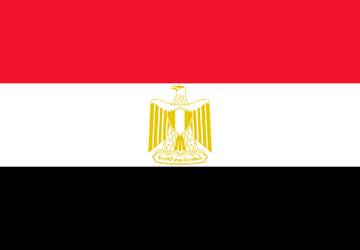 Egypt
Egypt
 Equatorial Guinea
 Eritrea
 Ethiopia
 Gabon
Gabon
 Gambia
 Georgia
 Ghana
Ghana
 Guinea
 Indonesia
 Iraq
Iraq
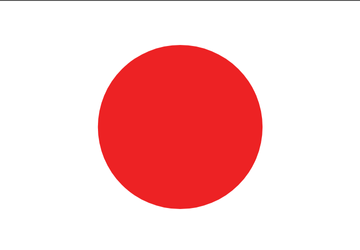 Japan
Japan
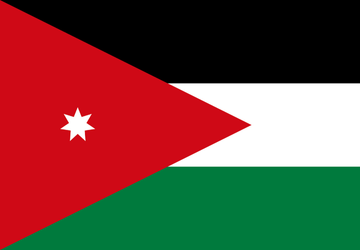 Jordan
 Kazakhstan
 Kenya
Kenya
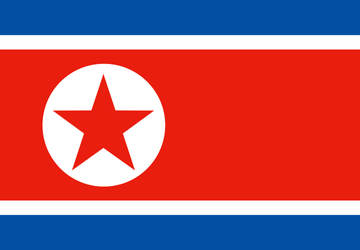 North Korea
 Kuwait
 Lebanon
 Liberia
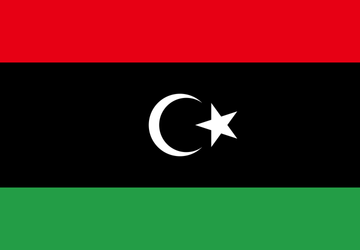 Libya
Libya
 Madagascar
 Malaysia
 Maldives
 Mali
Mali
 Mauritania
 Mauritius
 Mongolia
 Morocco
 Myanmar
 Namibia
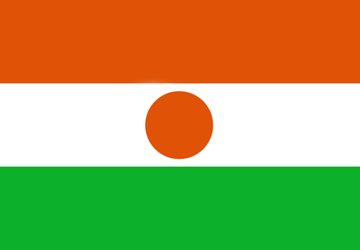 Niger
Niger
 Nigeria
 Oman
Oman
 Pakistan
 Philippines
 Russia
 Rwanda
 Senegal
 Seychelles
 Sierra Leone
 Singapore
 Somalia
 South Africa
 Sri Lanka
 Sudan
Sudan
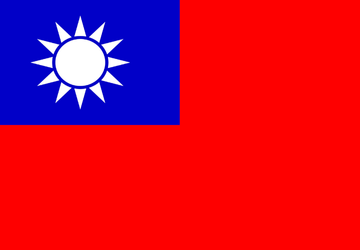 Taiwan
 Timor-Leste
 Turkey
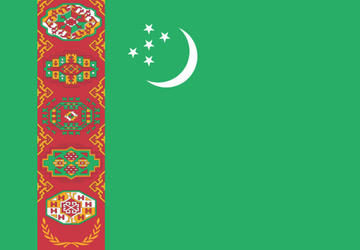 Turkmenistan
 Uzbekistan
 Afghanistan
 Algeria
 Burundi
 Djibouti
 Israel
 Laos
Laos
 Lesotho
 Malawi
 Nepal
Nepal
 Qatar
Qatar
 Saudi Arabia
 Tajikistan
 Thailand
 North Macedonia
 Vatican City
 Saint Pierre and Miquelon (France)
 Venezuela
 Chile
Chile
 Croatia
 Switzerland
 Zimbabwe
 Trinidad and Tobago
 Argentina
 Australia
 Austria
 Bahamas
 Barbados
 Belarus
 Belgium
 Belize
 Bermuda
 Bolivia
 Bulgaria
 Canada
 Colombia
 Costa Rica
 Cuba
Cuba
 Denmark
 Dominica
 Dominican Republic
 Ecuador
 El Salvador
 Estonia
 Fiji
Fiji
 Finland
 France
 French Guiana
 Germany
 Greenland
 Grenada
 Guyana
 Haiti
Haiti
 Hungary
 Iceland
 Ireland
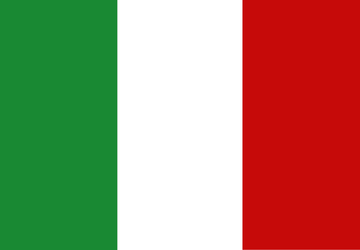 Italy
Italy
 Jamaica
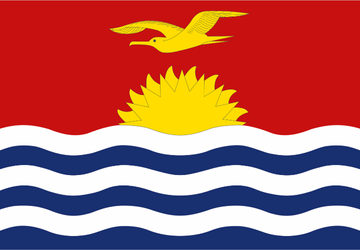 Kiribati
 Latvia
 Lithuania
 Malta
Malta
 Marshall Islands
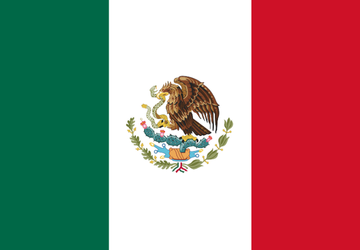 Mexico
 Micronesia
 Moldova
 Monaco
 Netherlands
 New Zealand
 Nicaragua
 Norway
 Paraguay
 Peru
Peru
 Poland
 Portugal
 Romania
 Saint Kitts and Nevis
 Saint Lucia
 San Marino
 Serbia
 Slovakia
 Slovenia
 Spain
Spain
 Suriname
 Sweden
 Tanzania
 Togo
Togo
 Tunisia
 Uganda
 Ukraine
 United Kingdom
 Uruguay
 Zambia
 Kosovo
 Andorra
 Bosnia and Herzegovina
 Brazil
 Greece
 Guatemala
 Montenegro
 Albania
 Aruba
Aruba
 Papua New Guinea
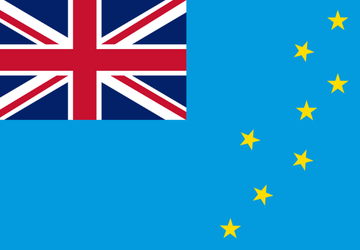 Tuvalu
 Vanuatu
 Antarctica
 Antigua and Barbuda
 Central African Republic
 Guinea-Bissau
 Honduras
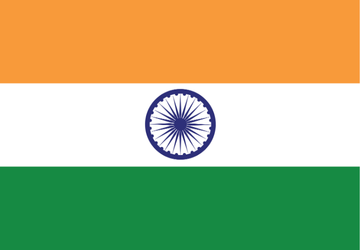 India
India
 South Korea
 Kyrgyzstan
 Luxembourg
 Mozambique
 Nauru
Nauru
 Palau
Palau
 Panama
 Saint Vincent and the Grenadines
 Samoa
Samoa
 Sao Tome and Principe
 Tonga
Tonga
 United States
 Czech Republic
 Congo (Brazzaville)
 Liechtenstein
 United Arab Emirates

Table of Contents
- Introduction: Why Makhana is the Superfood of the Century
- What is Makhana? Types and Varieties
- Grasping Makhana Price & Market Trends
- Makhana Seeds: The base for quality
- From Raw to Roasted: Processing Phool Makhana
- Flavoured Makhana & Value-Added Products
- Makhana Business Opportunity: Farmley Makhana & Beyond
- How to Sell Makhana Online Successfully
- Export Potential: Mithilanchal Makhana & Rajbhog Makhana
- Tips for Entrepreneurs & Makhana Start-ups
- The Conclusion: Why Makhana is a Lot More Than a Snacking Food
- Frequently Asked Questions About Makhana Business & Consumption
- How to Reach Us
1. Introduction: Why Makhana is the Superfood of the Century
Makhana is, in fact, more than a crunchy snack-it's a superfood that abounds in proteins, fibre, antioxidants, and necessary minerals. People are now moving away from fried and processed foods, seeking healthier options for snacking. From mom makhana for kids' snacks to masaledar makhana for adults craving flavours, this humble lotus seed is making waves globally.
In other words, all the questions-why are snacks costly, or why is this makhana tasting different-all these are related to the factor of quality, grading, and processing. It may be costlier if of high quality, but the taste, crunch, and nutrition compensation make it every rupee worth it. The price of makhana varies based on its type, region, and system of processing.
For businesses, it is a godsend. With platforms such as Biz Trade Mart-which connects sellers to buyers around the world, entrepreneurs can now sell roasted makhana or flavoured makhana, or even raw makhana, to both domestic and foreign markets with so much ease.
2. What is Makhana? Types and Varieties
Makhana is derived from the fruits of aquatic plants. It is mainly produced in the state of Bihar in India. These seeds of lotus are picked up from wetlands and ponds. They have been categorised into grades depending on the size and quality: raw makhana, farmley makhana, tal makhana, rajbhog makhana, and phull makhana.
- Raw Makhana: These are unprocessed seeds that can be used for cooking kheer, curries, or other traditional dishes.
- Makhana roasted: These are the popped seeds that get roasted either with or without oil. This is considered one of the healthiest snacks.
- Flavoured Makhana: These are roasted makhana coated with spices, cheese, herbs, or sweet coatings like chocolate.
- Varieties: Mithilanchal makhana is the best variety and recommended for export. Rajbhog makhana is big, white, and round; this variety is ideal to be gifted or used for gourmet purposes.
Variety is also exhibited in size since Makhana is measured in millimetres. The seeds less than 15 mm are used for cooking, whereas 18–21 mm and above are usually a premium grade. Extra-large seeds over 21 mm are export-ready.
Understanding Makhana Quality: Grades and Suta Sizes
Variety is also exhibited in size since Makhana is measured in millimetres. The seeds less than 15 mm are used for cooking, whereas 18–21 mm and above are usually a premium grade. Extra-large seeds over 21 mm are export-ready.
1. What is “Suta” in Makhana?
Suta = Size classification of makhana, based on:
- Diameter
- Puff quality
- Uniformity
- Visual appeal
👉 Lower suta number = Bigger size = Higher quality = Higher price
2. Makhana Suta Size Classification (Most Accepted)
a) Suta
- Size: Very small
- Diameter: ~12–14 mm
- Usage: Grinding (makhana flour), Powdered snacks, Cheap namkeen
- Market Demand: Low
- Price: Lowest
b) 5 Suta
- Size: Small
- Diameter: ~14–16 mm
- Usage: Budget snacks, Institutional buyers
- Market Demand: Medium
- Price: Low
c) 6 Suta
- Size: Medium
- Diameter: ~16–18 mm
- Usage: Retail packs, Roasted makhana
- Market Demand: High
- Price: Medium
d) 7 Suta
- Size: Medium–Large
- Diameter: ~18–20 mm
- Usage: Premium retail packs, Branded snacks
- Market Demand: Very High
- Price: High
e) 8 Suta
- Size: Large
- Diameter: ~20–22 mm
- Usage: Premium gifting packs, Export quality
- Market Demand: High
- Price: Premium
f) 9 Suta
- Size: Extra Large
- Diameter: ~22–24 mm
- Usage: Luxury brands, Corporate gifting, Export (US, EU, Middle East)
- Market Demand: Limited but elite
- Price: Very High
g) 10 Suta (Rare)
- Size: Jumbo
- Diameter: 24 mm+
- Usage: Showcase quality, Top export lots
- Market Availability: Very rare
- Price: Highest
3. Makhana Grades (Quality Grading)
Suta is size, grade is overall quality.
Grade A (Premium)
- Uniform white colour
- Fully puffed
- No black spots
- Low moisture
- No broken pieces
- Mostly 7–9 Suta
Grade B (Standard)
- Slight colour variation
- Minor spots allowed
- Mostly puffed
- Mix of sizes (6–7 Suta)
Grade C (Commercial)
- Uneven puffing
- More spots
- Mixed sizes
- Used for grinding & bulk snacks
Hopefully, our readers have a sound education as well as the inner intelligence that can guide them to discern right from wrong based on their instincts, allowing them to make better choices in their own lives.
3. Makhana Price & Market Trends Understanding
Prices of makhana are based on many factors: type, size, season, and quality. For example:
- Small tal makhana or raw seeds can be used at cheaper rates and for daily purposes.
- The premium phool makhana or rajbhog makhana varieties are therefore costlier because their size, taste, and appearance are superior.
- Roasted makhana or flavoured makhana involves extra costs due to processing, seasoning, and packaging.
India produces more than 90% of the world’s total makhana, largely in the Mithilanchal and Purnia regions of Bihar. The demand for this crop is growing rapidly on the international platform, with increasing exports to the USA, UAE, Europe, and Southeast Asia. With health-aware consumers, makhana food is gaining momentum as a go-to snack alternative.
4. Makhana Seeds: The Root of Quality
Quality begins with the seeds of the makhana. Top-quality seeds are ivory white, big in size, and of uniform size. These seeds are dried with great care to retain their size. High-quality seeds are called lawa, middle-level ones are rasgulla, and low-quality ones are murra.
Farmers pay close attention to:
- Size: Larger seeds generally tend to provide a better texture upon popping.
- Appearance: Bright white colour indicates proper processing.
- Uniformity: The consistent size ensures even roasting and quality in packaging.
These are the seeds that form the very base of all products of makhana, from plain roasted snacks to flavoured makhana, masaledar makhana, or even lotus nuts for gifting.
5. Processing raw to Roasted phool makhana
Processing transforms the raw seeds into crunchy snacks. The steps involved in this process are:
- Drying: Through sun drying or mechanical drying, seeds are subjected to the removal of moisture.
- Roasting: The seeds are roasted in pans or machines to soften the shells.
- Popping: The seeds are expanded to fluffy white using a wooden mallet or automated popping machines.
- Sorting and Grading: After popping, seeds are sorted by size and quality.
- Flavouring (Optional): One can add spices, herbs, chocolate, or cheese.
- Packaging: In airtight pouches for freshness for an extended period.
This process ensures nutritional value in makhana dry fruit and full makhana while appealing to the customers.
6. Flavoured Makhana & Value-Added Products
There is a lot of flavour innovation happening in the makhana business. Consumers are buying not just plain roasted seeds but flavoured makhana. Popular variants include:
- Masaledar Makhana: Classic spices of India integrated for a bold taste.
- Cheese & Herbs: Mild, savoury, and aromatic.
- Chocolate or Sweet Coatings: For dessert lovers.
- Peri-Peri & Tangy Tomato: Snacking excitement for millennials.
These value-added products can fetch a better price and can attract online buyers, especially through marketplaces like Biz Trade Mart.
7. Makhana Business Opportunity: Farmley Makhana & Beyond
Makhana business is booming as demand is increasing globally. Entrepreneurs can initiate the following:
- Processing Units: Roast, flavour, or package raw seeds into makhana.
- Export Ventures: The high-quality makhana, especially mithilanchal makhana, is gaining demand abroad.
- Retail & Online Sales: Roasted Makhana/Flavoured Makhana or Raw Makhana sold through online selling websites like Biz Trade Mart.
The investment is moderate, starting at ₹5–10 lakh for a small processing unit. With proper branding and marketing, ROI can happen within 6–12 months.
8. How to Sell Makhana Online with Success
Digital marketplaces bring convenience in selling makhana at your fingertips. Some of the online marketplaces, like Biz Trade Mart, are offering the following services:
- Global Listing: Reach out to buyers all over the world.
- AI Suggestions: Smartly promote the products based on search trends.
- Real-Time Chat: The possibility of direct communication with the buyer.
- Subscription Model: The seller has to pay some amount for listing the product, while buyers can access it for free.
Tips for online success:
- High-quality photos of your makhana products.
- Emphasise health-related benefits such as protein, fibre, and gluten-free.
- Offer variety in flavour to cater to a wide range of tastes.
- Include the correct shipping and packaging information.
9. Export Potential: Mithilanchal Makhana & Rajbhog Makhana
Exporting makhana is a lucrative business because international markets especially love:
- Gluten-free and low-calorie snacks.
- Premium quality lotus nuts of uniform size.
- Flavour or value addition.
Mithilanchal makhana and rajbhog makhana are the best options. Government initiatives like APEDA export incentives and GI tags for Mithilanchal makhana make exporting easier and more lucrative.
10. Tips for Entrepreneurs & Makhana Startups
- Quality Focus: Always ensure the use of the best makhana seeds for sustained crunch and flavour.
- Product Diversification: raw, roasted, and flavoured.
- Utilise Platforms: Sell through Biz Trade Mart to reach buyers across the world.
- Play with flavours: From spicy, sweet to tangy or herbal varieties, audiences differ.
- Brand Story: Emphasise health benefits, Indian origin, and the promotion of farmers.
- Stay Updated: Informed about the makhana market trend, makhana price, and consumer preference.
11. Conclusion: Why Makhana is More Than Just a Snack
Makhana is not just a lotus seed; it's a superfood, a business opportunity, and an export commodity at par with global demand. With Biz Trade Mart, for instance, entrepreneurs have the feasibility to sell roasted makhana, flavoured makhana, or even raw makhana online; create an international buyer base, all while earning a margin and helping farmers.
Whether it is farmley makhana, masaledar makhana, or premium rajbhog makhana, the demand is going up. If you are looking for a health-driven, profitable, and scalable business, makhana is your golden ticket.
12. Makhana Business & Consumption: Some Frequently Asked Questions ❓
Q1: What is the best makhana for snacks?
A1: Roasted or flavoured makhana will do, but 5 Suta and 6 Suta grades are preferred.
Q2: How does the price of makhana get determined?
A2: The price is determined by the size, grade, processing, and whether it is raw, roasted, or flavoured.
Q3: Can makhana be sold online?
A3: Oh yes! Say, Biz Trade Mart makes the job so easy to get in touch with international buyers.
Q4: Is flavoured makhana profitable?
A4: Of course! It could be sold for a higher price because of taste, packaging, and novelty.
Q5: Which is the region that produces the best makhana?
A5: Mithilanchal and Purnia regions of Bihar yield high-quality seeds.
Q6: Can I start a small makhana processing unit?
A6: Yes! Small units require ₹5–10 lakh investment and offer 20–40% profit margin.
Q7: Name a few of the varieties with quality?
A7: Rajbhog makhana, phull makhana and mithilanchal makhana are considered to be premium category.
Q8: How to keep fresh?
A8: Store in airtight packages, keep it in cool, dry places.
Q9: Is it possible to export makhana?
A9: Yes! In the USA, UK, UAE, and Europe, the export demand is very high.
Q10: What are the health benefits?
A10- High in protein, low in calories, gluten-free, packed with antioxidants, and rich in minerals.
13. Contact Us 📞
For partnership or bulk sales:
👉 Follow us for more updates!
📩 Email: info@biztrademart.com to become a channel partner
🌐 Visit: www.biztrademart.com for more information