 Cabo Verde
 Eswatini
 Ivory Coast
 South Sudan
 Cyprus
 Syria
Syria
 Vietnam
 Palestine
 Iran
Iran
 Angola
 Armenia
 Azerbaijan
 Bahrain
 Bangladesh
 Benin
Benin
 Bhutan
 Botswana
 Brunei
 Burkina Faso
 Cambodia
 Cameroon
 Chad
Chad
 China
China
 Comoros
 Congo (Kinshasa)
 Egypt
Egypt
 Equatorial Guinea
 Eritrea
 Ethiopia
 Gabon
Gabon
 Gambia
 Georgia
 Ghana
Ghana
 Guinea
 Indonesia
 Iraq
Iraq
 Japan
Japan
 Jordan
 Kazakhstan
 Kenya
Kenya
 North Korea
 Kuwait
 Lebanon
 Liberia
 Libya
Libya
 Madagascar
 Malaysia
 Maldives
 Mali
Mali
 Mauritania
 Mauritius
 Mongolia
 Morocco
 Myanmar
 Namibia
 Niger
Niger
 Nigeria
 Oman
Oman
 Pakistan
 Philippines
 Russia
 Rwanda
 Senegal
 Seychelles
 Sierra Leone
 Singapore
 Somalia
 South Africa
 Sri Lanka
 Sudan
Sudan
 Taiwan
 Timor-Leste
 Turkey
 Turkmenistan
 Uzbekistan
 Afghanistan
 Algeria
 Burundi
 Djibouti
 Israel
 Laos
Laos
 Lesotho
 Malawi
 Nepal
Nepal
 Qatar
Qatar
 Saudi Arabia
 Tajikistan
 Thailand
 North Macedonia
 Vatican City
 Saint Pierre and Miquelon (France)
 Venezuela
 Chile
Chile
 Croatia
 Switzerland
 Zimbabwe
 Trinidad and Tobago
 Argentina
 Australia
 Austria
 Bahamas
 Barbados
 Belarus
 Belgium
 Belize
 Bermuda
 Bolivia
 Bulgaria
 Canada
 Colombia
 Costa Rica
 Cuba
Cuba
 Denmark
 Dominica
 Dominican Republic
 Ecuador
 El Salvador
 Estonia
 Fiji
Fiji
 Finland
 France
 French Guiana
 Germany
 Greenland
 Grenada
 Guyana
 Haiti
Haiti
 Hungary
 Iceland
 Ireland
 Italy
Italy
 Jamaica
 Kiribati
 Latvia
 Lithuania
 Malta
Malta
 Marshall Islands
 Mexico
 Micronesia
 Moldova
 Monaco
 Netherlands
 New Zealand
 Nicaragua
 Norway
 Paraguay
 Peru
Peru
 Poland
 Portugal
 Romania
 Saint Kitts and Nevis
 Saint Lucia
 San Marino
 Serbia
 Slovakia
 Slovenia
 Spain
Spain
 Suriname
 Sweden
 Tanzania
 Togo
Togo
 Tunisia
 Uganda
 Ukraine
 United Kingdom
 Uruguay
 Zambia
 Kosovo
 Andorra
 Bosnia and Herzegovina
 Brazil
 Greece
 Guatemala
 Montenegro
 Albania
 Aruba
Aruba
 Papua New Guinea
 Tuvalu
 Vanuatu
 Antarctica
 Antigua and Barbuda
 Central African Republic
 Guinea-Bissau
 Honduras
 India
India
 South Korea
 Kyrgyzstan
 Luxembourg
 Mozambique
 Nauru
Nauru
 Palau
Palau
 Panama
 Saint Vincent and the Grenadines
 Samoa
Samoa
 Sao Tome and Principe
 Tonga
Tonga
 United States
 Czech Republic
 Congo (Brazzaville)
 Liechtenstein
 United Arab Emirates
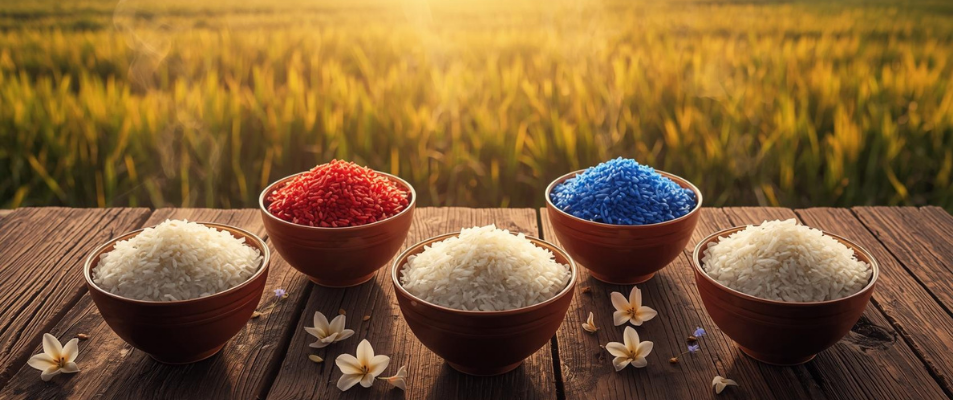
Table of Contents
- Introduction: Why Jasmine Rice is a Global Favourite
- The Origin of Jasmine Rice
- Types of Jasmine Rice
- Thai Jasmine Rice
- Red Jasmine Rice
- Blue Jasmine Rice
- Elephant Rice
- Jasmine Rice vs Basmati Rice
- Cooking Jasmine Rice Perfectly
- Jasmine Sticky Rice
- Jasmine Rice in Steamer
- Tips for Cooking Jasmine Rice
- Understanding Jasmine Rice Prices
- Jasmine Rice Price 1kg
- Jasmine Rice 25kg Price
- Jasmine Rice Price Globally
- Jasmine Rice Mills & Suppliers
- Why Choose Premium and Fragrant Jasmine Rice
- Thailand Jasmine Rice
- Vietnamese Jasmine Rice
- Conclusion
- FAQs
- Contact Us
Introduction: Why Jasmine Rice is a Global Favourite
If you enjoy eating rice that has a heavenly aroma, a buttery taste, and melts in your mouth, you must have already tasted Jasmine Rice. Also known as perfumed rice, this long-grain wonder is from Thailand and is a favourite all over the world for its soft texture, fragrant smell, and ability to be used in both sweet and savoury recipes.
Whether you are making a comforting curry, a sticky dessert, or just plain rice with a touch of aroma, Jasmine Rice is never a letdown. And if you are a business owner who wants to sell your products all over the world, using the best Thailand Jasmine Rice can open doors to a world of possibilities.
The Origin of Jasmine Rice
Jasmine Rice, also known as Khao Hom Mali, is a Thai native. This fragrant rice has a royal lineage because it was originally reserved for Thai kings, hence the nickname ‘Royal Umbrella rice’ because of its high quality.
This rice variety has been introduced to other countries such as Cambodia, Laos, Vietnam, and even India, where Indian Jasmine Rice and Jasmati rice have been developed. Jasmine Rice is now enjoyed all over the world.
Types of Jasmine Rice
Thai Jasmine Rice
The most popular and authentic type of Jasmine Rice, Thai Jasmine Rice, is fragrant, slightly sticky, and sweet. It is ideal for both daily consumption and special occasions.
Red Jasmine Rice
With its reddish colour and nutty taste, Red Jasmine Rice is full of antioxidants and adds a colourful twist to salads and health-oriented recipes.
Blue Jasmine Rice
Blue Jasmine Rice is unique because of its unusual colour and subtle scent. It is commonly used in fusion cuisine or for high-quality exports.
Elephant Rice
Famous for its large grains and soft texture, Elephant Rice is a Thai speciality that goes well with curries and stir-fries.
Jasmine Rice vs Basmati Rice
The age-old debate: Basmati Rice vs Jasmine Rice? 🤔
- Texture: Jasmine Rice is soft and sticky (Jasmine Rice is sticky), while basmati rice is firm and fluffy.
- Aroma: Jasmine Rice is fragrant and sweet, while basmati rice is nutty and earthy.
- Cooking: Jasmine Rice is great for making sticky rice dishes, while basmati rice is great for making biryanis and pilafs.
Pro Tip: You can make a dish that combines both varieties for a fun fusion taste, but just remember that cooking times are different!
Cooking Jasmine Rice Perfectly
Cooking Jasmine Rice can be easy if you follow these tips.
Jasmine Sticky Rice
Great for dessert and Asian dishes. Use a 1:1.25 ratio of rice to water.
Jasmine Rice in Steamer
Steaming helps to bring out the natural aroma. Add a few drops of coconut milk for the authentic scent.
Tips for Cooking Jasmine Rice
- Rinse the rice before cooking to get rid of excess starch.
- Fluff with a fork after cooking.
- Do not lift the lid while cooking, as this will help to keep the rice soft.
- Cooking with a few jasmine flowers or Royal Umbrella rice will give you an even more fragrant dish.
Understanding Jasmine Rice Prices
The price of Jasmine Rice depends on the type, origin, and weight of the rice:
-
Jasmine Rice Price 1kg:
Suitable for consumption, priced at $3-$6.
-
Jasmine Rice 25kg Price:
Ideal for restaurants, export, or bulk purchase.
-
Jasmine Rice Price Globally:
Thailand exports high-quality Jasmine Rice globally, including Elephant Rice and Red Jasmine.
Pro Tip: On Biz Trade Mart, vendors are allowed to post free ads for Jasmine Rice, and customers can compare prices of Thai Jasmine Rice and Indian Jasmine Rice.
Jasmine Rice Mills & Suppliers
For genuine Thai Jasmine Rice, it is essential to procure from reliable mills. A Jasmine Rice mill guarantees that the rice will maintain its fragrance, texture, and high quality. On Biz Trade Mart, AI technology assists buyers in connecting with suppliers worldwide instantly.
Why Choose Premium and Fragrant Jasmine Rice
- Aroma: Naturally fragrant (perfumed rice).
- Versatility: Suitable for making sticky rice, curries, and sweet dishes.
- High-Quality Varieties: Royal Umbrella, Elephant Rice, and Blue Jasmine Rice for export.
- Business Benefit: Adding high-quality Jasmine Rice to Biz Trade Mart gives worldwide customers access through real-time messaging, AI recommendations, and powerful search functionality.
🌾 Thailand Jasmine Rice: Premium Aromatic Rice from Thailand
Thailand Jasmine Rice, famously known as Hom Mali 105, is one of the world’s most premium aromatic rice varieties. Cultivated in the fertile northeastern provinces of Thailand, particularly Thung Kula Ronghai, this rice is prized for its delicate texture, long, glossy grains, and pandan-like fragrance. Often called the “champagne of rice”, it is highly sought after in international gourmet markets for its soft, slightly sticky texture, which makes it ideal for traditional Thai dishes such as green curry, mango sticky rice, and spicy basil stir-fry. Thailand Jasmine Rice is also celebrated for its high-quality aroma, superior grain length, and consistent cooking performance, making it a preferred choice for premium restaurants, culinary exports, and global buyers. With its heritage-rich cultivation techniques, this rice represents the authentic taste of Thailand, offering both culinary excellence and cultural authenticity.
🌾 Vietnamese Jasmine Rice: Fragrant Rice with Export-Ready Quality
Vietnamese Jasmine Rice is a high-quality, fragrant rice variety cultivated primarily in the Mekong Delta, Vietnam’s largest rice-producing region. Known for its long, translucent grains, soft, fluffy texture, and mild floral aroma, this rice maintains its delicate flavour even after cooling, making it perfect for stir-fries, rice bowls, and rice-based snacks. Vietnamese Jasmine Rice is available in white and brown rice varieties, offering rich nutritional benefits including fibre, iron, calcium, and essential vitamins, which appeal to health-conscious consumers. Its competitive pricing, high yield, and export compliance make it an ideal choice for importers, wholesalers, and international markets such as the USA, EU, Africa, and Southeast Asia. By combining premium aroma, consistent quality, and versatility, Vietnamese Jasmine Rice continues to gain global recognition as a reliable, export-ready aromatic rice with exceptional value for international buyers.
Conclusion
From Thai Jasmine Rice to Indian Jasmine Rice, Jasmine Rice is more than a food product – it is an experience. Whether you are a home cook, a restaurateur, or a global buyer, Jasmine Rice brings aroma, taste, and class to your culinary creations.
On Biz Trade Mart, you can find genuine Jasmine Rice, compare Jasmine Rice prices, get in touch with mills, and even expand your business globally.
FAQs
Q1: What is Jasmine Rice?
A: Jasmine Rice is a long-grain fragrant rice from Thailand, famous for its floral aroma and slightly sticky consistency. It is commonly referred to as perfumed rice and is great for Asian cuisine, desserts, and sticky rice recipes.
Q2: How does Thai Jasmine Rice differ from basmati rice?
A: Basmati v Jasmine Rice differences include texture and aroma. Jasmine Rice is soft, slightly sticky, and fragrant, while basmati rice is hard, light, and nutty. Cooking techniques and recipes differ as well.
Q3: Can Jasmine Rice be used for sticky rice recipes?
A: Absolutely! Jasmine sticky rice is great for desserts and Asian cuisine. Its natural starch content makes it stick together without becoming too mushy.
Q4: What are the different types of Jasmine Rice?
A: Some popular varieties of Jasmine Rice include Royal Umbrella, Red Jasmine, Blue Jasmine, and Elephant Rice. Each variety has its own distinct aroma, colour, and texture, depending on the recipe.
Q5: What is the best Jasmine Rice to water ratio?
A: For cooking on the stove, the ratio is 1 cup of rice to 1.5 cups of water. For drier rice, use 1:1.25. Depending on whether you are rinsing or soaking your rice. Using a steamer is also a great way to cook Jasmine Rice in a steamer recipe.
Q6: Where can I purchase Jasmine Rice worldwide?
A: Sites such as Biz Trade Mart provide genuine sellers of Thailand Jasmine Rice, Indian Jasmine Rice, and other high-quality Jasmine Rice. Customers can compare the Jasmine Rice price and make global purchases with ease.
Q7: What is the price of Jasmine Rice?
A: The cost of Jasmine Rice varies by type and quantity. For example, Jasmine Rice 1kg price ranges around $3–$6, while Jasmine Rice 25kg price is suitable for restaurants and bulk buyers. Premium varieties like Royal Umbrella may cost more.
Q8: Is Jasmine Rice healthy?
A: Yes! Jasmine Rice is a good source of complex carbohydrates. Brown Jasmine Rice, such as Red Jasmine, is a good source of vitamins and antioxidants due to the retention of bran and fibre.
Q9: Can Jasmine Rice be cooked in a rice cooker or steamer?
A: Absolutely! Jasmine Rice in a steamer or rice cooker is a great way to preserve the aroma and texture. Rice cookers are ideal for cooking Jasmine Rice because they allow the perfect ratio of water to rice and prevent overcooking.
Q10: How do I store Jasmine Rice to maintain freshness?
A: Store Thai Jasmine Rice in an airtight container, away from sunlight and moisture. For high-quality Jasmine Rice, such as Royal Umbrella or Elephant Rice, store in a cool, dry place.
Contact Us
Have any queries regarding Jasmine Rice procurement, cost, or international trade? Contact us:
📩 Email: info@biztrademart.com
🌐 Visit: www.biztrademart.com